Strategic Typography: Leveraging Ayla for Brand Authority and Emotional Connection
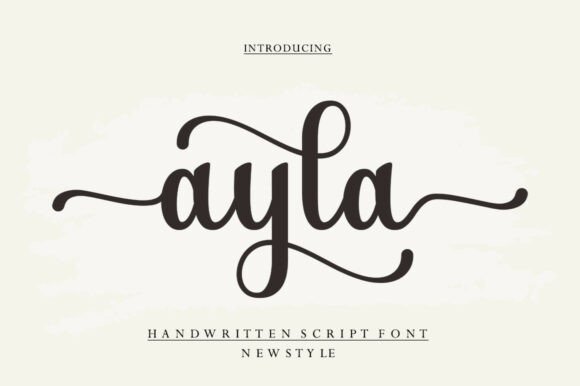
In the crowded landscape of visual communication, the difference between a brand that is merely seen and one that is remembered often lies in the subtleties of typography. Ayla represents more than just a stylistic choice; it is a strategic asset for professionals seeking to infuse elegance and authenticity into their visual identity. As a stylish and incredibly elegant handwritten font, Ayla bridges the gap between formal professionalism and personal touch, making it an essential tool for entrepreneurs, marketers, and creators who understand that design decisions are fundamentally business decisions.
The utility of Ayla extends far beyond aesthetic appeal. When deployed with intention, this typeface supports broader organizational goals ranging from customer experience enhancement to brand positioning. Whether you are designing wedding invitations, thank you cards, quotes, greeting cards, logos, or business cards, the choice of font dictates the tone of the conversation before a single word is read. Ayla offers a handwritten touch that suggests care, craftsmanship, and attention to detail—qualities that resonate deeply with modern consumers who value human connection in an increasingly digital world.
Aligning Visual Identity with Strategic Goals
Effective branding is not about choosing the prettiest font; it is about selecting the typeface that best communicates your core values and operational reality. Ayla's elegant script style positions a brand as approachable yet sophisticated. For small business owners and freelancers, this duality is critical. You need to appear established enough to be trusted but personal enough to be relatable.
Consider the psychological impact of a handwritten element on a business card or a logo. It signals that there is a human behind the operation, someone who has signed off on the work personally. This can be particularly powerful for service-based industries such as consulting, coaching, boutique retail, and creative agencies. By integrating Ayla into these touchpoints, you are subtly communicating that your services are tailored and bespoke, rather than mass-produced.
However, the strategic value of Ayla is only realized when it aligns with your specific planning objectives. If your goal is to project rigid corporate stability, a heavy sans-serif might be more appropriate. But if your objective is to foster community, evoke emotion, or highlight creativity, Ayla becomes a vital component of your visual strategy. It serves as a non-verbal cue that reinforces your message of warmth and exclusivity.
Operational Efficiency Through PUA Encoding
From an operational standpoint, the technical specifications of a font can significantly impact workflow efficiency. Ayla is PUA encoded, a feature that provides substantial practical advantages for designers and content creators. PUA (Private Use Area) encoding means that all glyphs, ligatures, and alternates are accessible directly from your keyboard or character map without needing complex software workarounds or switching between multiple font files.
This technical attribute supports productivity in several ways:
- Streamlined Design Process: Accessing swashes and alternate characters becomes instantaneous, allowing for rapid iteration during the creative phase.
- Consistency Across Platforms: PUA encoding ensures that the specific stylistic variations you select render correctly across different design applications, reducing the risk of formatting errors in final deliverables.
- Enhanced Creativity: When the friction of accessing special characters is removed, designers are more likely to experiment with unique combinations, leading to more distinctive and memorable outcomes.
For educators and publishers managing large volumes of content, this ease of access translates to time savings that can be reinvested into content quality or strategic planning. The ability to quickly swap a standard "a" for a more decorative alternate can transform a generic layout into a custom piece of art, elevating the perceived value of the final product.
Contextual Application: When and How to Use Ayla
While Ayla is versatile, its effectiveness is contingent upon context. Thoughtful application requires a clear understanding of where handwritten typography adds value and where it might detract from clarity. The following scenarios represent high-value use cases where Ayla excels:
- Wedding Invitations and Event Stationery: In the event industry, the invitation sets the expectation for the experience. Ayla's elegance conveys the formality and romance of the occasion, creating an immediate emotional connection with guests.
- Customer Appreciation Materials: Thank you cards and packaging inserts benefit immensely from a handwritten feel. Using Ayla here simulates a personal note from the founder, strengthening customer loyalty and enhancing the unboxing experience.
- Social Media and Content Marketing: For bloggers and influencers, overlaying quotes or key messages with Ayla can break the monotony of standard feeds. It draws the eye and encourages engagement by presenting content that feels curated and personal.
- Logo Design for Lifestyle Brands: Brands in the beauty, wellness, and artisanal food sectors often rely on Ayla to communicate organic quality and handcrafted origins.
When approaching these projects, the decision-making process should involve asking: "Does this medium support legibility?" Handwritten fonts like Ayla are best used for headlines, short phrases, and display text. Relying on them for long-form body copy can strain the reader's eyes and reduce comprehension, ultimately undermining your communication goals.
Risk Management and Decision-Making
Every design choice carries potential risks, and the misuse of decorative typography is a common pitfall. Using Ayla without clear goals or context can lead to brand dilution. If applied randomly—for instance, on a technical manual or a financial report—the font may convey a lack of seriousness or professionalism, confusing the audience and eroding trust.
To mitigate these risks, adopt a framework of intentional usage:
- Define the Objective: Before opening your design software, clarify what emotional response you want to elicit. If the answer is not "warmth," "elegance," or "personalization," reconsider using a script font.
- Test for Legibility: Always preview Ayla at various sizes and on different devices. What looks stunning on a desktop monitor may become illegible on a mobile screen if the stroke weight is too thin or the loops too tight.
- Maintain Hierarchy: Pair Ayla with a clean, neutral sans-serif or serif font for body text. This contrast ensures that the elegance of the script stands out without compromising the readability of the information.
- Avoid Overuse: Just as too much spice can ruin a dish, overusing decorative alternates can make a design look cluttered. Use the PUA-encoded features sparingly to highlight specific words or initials.
Decision-makers must recognize that trends in typography shift, but the principle of clarity remains constant. Ayla is a timeless tool, but its longevity in your brand identity depends on how well it is integrated into a cohesive system rather than used as a fleeting decoration.
Long-Term Value and Brand Equity
Investing in a high-quality font like Ayla is an investment in long-term brand equity. Consistent use of a distinctive typeface helps build recognition over time. When customers begin to associate the specific flow and elegance of Ayla with your products or services, you have achieved a level of brand maturity that transcends individual marketing campaigns.
Furthermore, the versatility of Ayla allows it to grow with your business. It is suitable for the intimate scale of a startup's first batch of business cards and the grand scale of a national advertising campaign, provided the application remains strategic. By mastering the nuances of this font—understanding when to deploy its swashes, how to pair it with other elements, and where it fits within your broader communication strategy—you gain a competitive advantage.
Ultimately, the goal is not just to make things look good, but to make them work harder for your objectives. Ayla provides the aesthetic foundation; your strategic insight provides the direction. By combining the technical ease of PUA encoding with a thoughtful approach to placement and context, you can leverage this elegant handwritten font to drive better results, deepen customer relationships, and establish a brand presence that is both visually stunning and strategically sound.
As you move forward with your design projects, remember that every glyph is a decision. Choose Ayla not because it is trendy, but because it serves your purpose. Let its elegance underscore your professionalism, and let its handwritten nature remind your audience that behind every transaction, there is a human story waiting to be told.