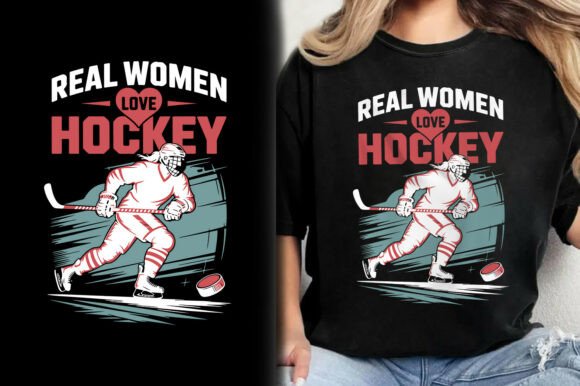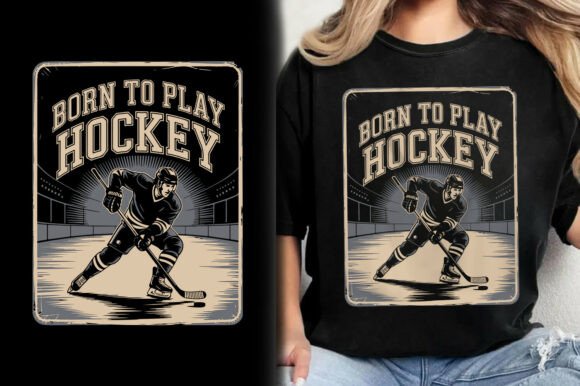
Skate Hit Score Repeat: Hockey Design
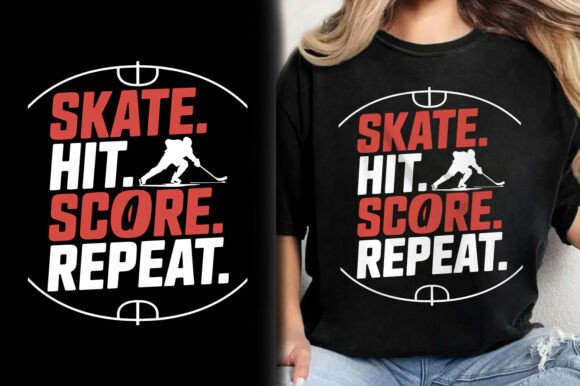
Elevating a sports brand starts with visuals that capture the raw energy of the game, and the Skate Hit Score Repeat Hockey T-Shirt design concept exemplifies how bold typography and dynamic vector art can instantly communicate passion and performance. For graphic designers and creative entrepreneurs, integrating high-quality assets like this into a workflow is not just about filling space; it is about establishing a visual hierarchy that resonates with fans and athletes alike.
In the realm of modern graphic design, the intersection of sports culture and apparel requires a keen understanding of brand identity. A design centered around a powerful slogan like "Skate Hit Score Repeat" does more than decorate fabric; it tells a story of dedication and rhythm. When utilizing vector typography for such projects, the scalability of the artwork ensures that the message remains crisp whether it is printed on a small sticker or a large banner. This versatility is crucial for maintaining a professional presentation across various media.
The Power of Vector Typography in Sports Branding
Vector-based designs are the backbone of effective logo design and merchandise creation. Unlike raster images, vectors allow for infinite scaling without loss of quality, making them ideal for diverse applications ranging from sublimation projects to large-format advertising campaigns. The clean lines and sharp edges found in premium hockey graphics contribute to a modern aesthetic that appeals to contemporary audiences.
When selecting assets for your creative projects, consider how the typography interacts with other visual elements. A strong color palette combined with impactful lettering can evoke the intensity of ice hockey. Whether you are designing for a local team or a global sportswear line, the consistency of these visual cues strengthens brand recognition. High-resolution files, typically available in formats like SVG, EPS, and AI, ensure compatibility with industry-standard software such as Adobe Illustrator and Photoshop, streamlining your design workflow.
Practical Applications for Creative Assets
The utility of a well-crafted hockey design extends far beyond simple t-shirt printing. These creative assets serve as foundational elements for a wide array of marketing and branding initiatives. By leveraging versatile graphics, designers can create cohesive experiences across multiple touchpoints:
- Merchandise and Apparel: Perfect for t-shirts, hoodies, tote bags, and jerseys where durability and print clarity are paramount.
- Digital Marketing: Utilize optimized versions for social media graphics, website banners, and email campaigns to drive engagement.
- Packaging Design: Incorporate motifs into product boxes or labels to enhance the unboxing experience for sports equipment.
- Editorial and Print: Use silhouettes and icons in magazines, flyers, and posters to break up text and add visual interest.
- UI and Web Design: Adapt simplified icons for user interfaces in sports apps or fan community websites.
For small business owners and print-on-demand sellers, the ability to repurpose a single high-quality design across different products maximizes return on investment. A design that works on a mug can easily be adapted for a decal or a digital printable, provided the source files are robust and well-organized.
Optimizing Visual Impact and Usability
To truly harness the potential of designs like the Skate Hit Score Repeat Hockey T-Shirt, one must pay attention to composition and readability. In visual design, the arrangement of text and imagery dictates how quickly a viewer absorbs the message. Ensure that the typography stands out against the background, utilizing contrast effectively to guide the eye.
Furthermore, consider the context in which the design will be viewed. For digital marketing, colors should be vibrant and web-safe, while print design requires attention to CMYK color profiles and DPI settings to avoid pixelation. Consistency is key; if a specific font weight or color shade is used in a logo, it should be mirrored in accompanying marketing materials to reinforce brand identity.
Designers should also evaluate the emotional resonance of their choices. Hockey is a sport of speed, impact, and precision. The visual elements chosen should reflect these qualities through dynamic angles, bold strokes, and energetic layouts. Avoid clutter; let the core message breathe within the negative space to create a polished and professional result.
Ultimately, the success of any creative project lies in the thoughtful selection and application of its components. By prioritizing high-quality vector assets and adhering to principles of good typography and visual hierarchy, creators can produce work that not only looks stunning but also communicates effectively. Whether enhancing a team's uniform or launching a new line of sports merch, the right design elements bridge the gap between concept and reality, delivering value to both the brand and its audience.