Evaluating Folded Shaped Business Card Templates for Professional Impact
In the competitive landscape of professional networking, the traditional rectangular card often fails to distinguish a brand from the stack of similar contacts collected at an event. A folded shaped business card template offers a strategic alternative, combining unique silhouettes with interactive elements to create a memorable tactile experience. Unlike standard flat cards, these designs utilize die-cut shapes and folding mechanisms to convey creativity and attention to detail before a single word is read. For professionals considering this format, understanding the distinct advantages, production realities, and digital customization requirements is essential for making an informed decision.
Defining the Folded Shaped Format
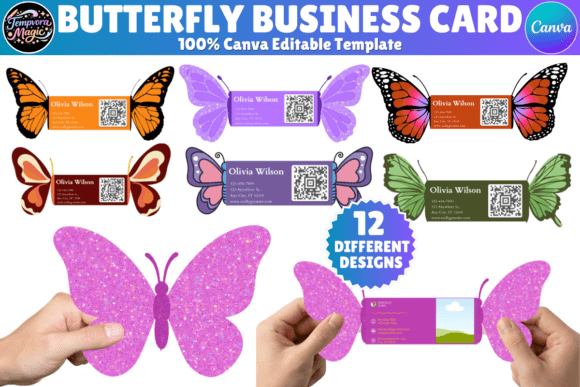
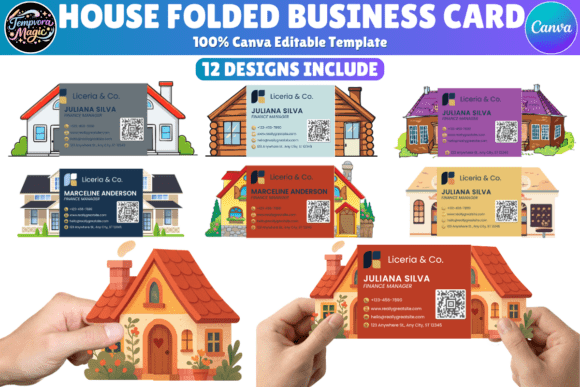
A folded shaped business card differs fundamentally from conventional printing options by integrating structural design with visual identity. These templates typically feature non-standard outlines—such as houses, sports equipment, or animal silhouettes—that are further enhanced by a central fold. This dual approach serves two purposes: the shape grabs immediate visual attention, while the fold increases the available surface area for information without expanding the card's footprint in a wallet or cardholder.
When utilizing a folded shaped business card template, particularly those found in editable bundles for platforms like Canva, users gain access to pre-structured layouts that account for bleed lines, fold markers, and safe zones. This is critical because shaped cards require precise alignment; a logo placed too close to a cut line may be trimmed off during production. The value of a high-quality template lies in its ability to guide the user through these technical constraints while allowing for creative freedom in color, typography, and imagery.
Comparative Analysis: Folded Shapes vs. Standard Alternatives
Choosing between a folded shaped card and other formats involves weighing impact against practicality and cost. Here is how this specific format compares to common alternatives:
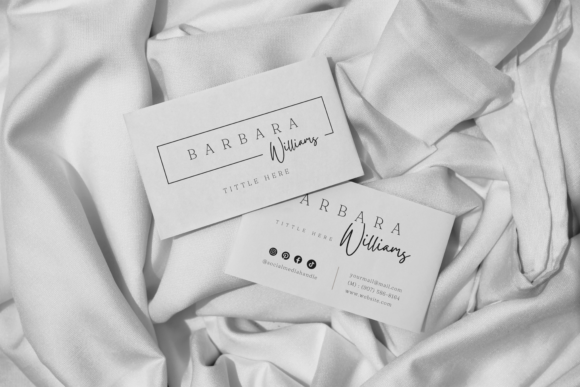
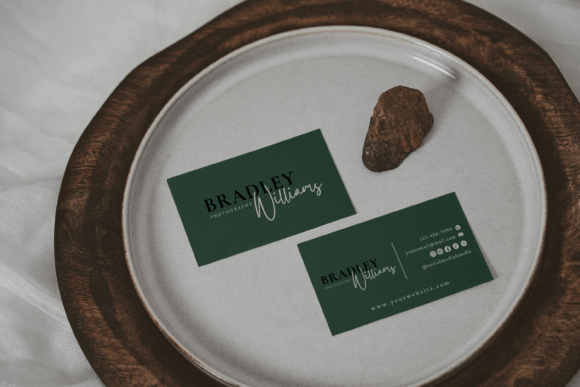
- Standard Rectangular Cards: These remain the industry norm due to their low production cost and compatibility with automatic sorting machines. However, they offer limited differentiation. A folded shaped card sacrifices some convenience for significantly higher recall rates.
- Flat Die-Cut Cards: While flat cards can also feature unique shapes, they lack the additional real estate provided by a fold. If your contact information includes extensive details, QR codes, or a portfolio link, the folded format provides the necessary space without cluttering the design.
- Digital-Only Cards (NFC/QR): Digital solutions are eco-friendly and easily updated, but they lack the physical tangibility that fosters a personal connection. A folded shaped card bridges this gap by offering a physical keepsake that often incorporates digital elements, such as scannable QR codes, within a premium physical package.
The trade-off primarily involves budget and logistics. Shaped and folded cards generally incur higher printing costs due to specialized die-cutting and manual folding processes. Furthermore, they may not fit neatly into standard business card holders, which is a consideration for recipients who organize contacts rigorously. However, for creatives, real estate agents, or boutique service providers, the impression of quality often outweighs these minor inconveniences.
Customization and Digital Workflow Considerations
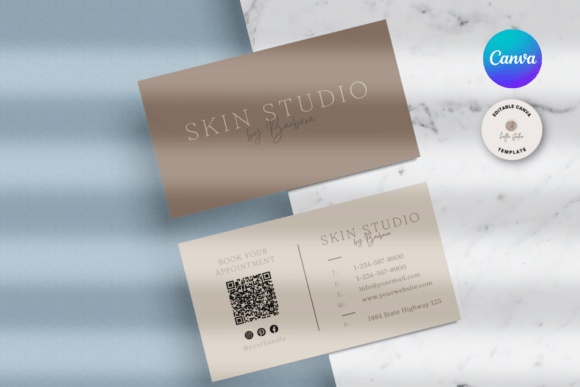
Modern design tools have democratized the creation of complex print assets. Many folded shaped business card templates are now available as editable files on platforms like Canva. This allows users to drag and drop elements, modify colors, and upload proprietary graphics without needing advanced graphic design software.
It is important to note that some premium templates include elements designated for Pro subscribers. If you are operating on a free plan, you will need to identify these specific assets—often marked with a crown icon—and replace them with free graphics from the library or your own uploads. This process ensures that the final export is printable without watermarks or licensing issues. Fortunately, most platforms offer trial periods, such as a 30-day free trial, allowing users to access premium features temporarily to finalize their design before committing to a subscription.
When customizing, focus on the hierarchy of information. The front of a folded card should establish the brand identity through the shape and logo, while the interior can house detailed contact info, a map, or a call to action. Interactive features like QR codes are particularly effective here; they can direct recipients to a video introduction, a booking calendar, or a digital portfolio, merging the physical and digital experiences seamlessly.
Ideal Use Cases and Industry Fit
Not every profession benefits equally from a non-standard card format. The folded shaped business card template is best suited for industries where visual storytelling and memorability are paramount.
- Real Estate and Architecture: Templates shaped like houses or buildings immediately communicate the agent's niche. The fold can reveal floor plans or neighborhood maps, adding functional value.
- Creative Professionals: Graphic designers, photographers, and illustrators can use the card itself as a portfolio piece. A unique shape demonstrates design capability better than any text claim.
- Coaches and Trainers: Sports-themed shapes or dynamic folds can reflect energy and movement, resonating well with fitness clients.
- Pet Services: Animal-shaped cards are instantly recognizable and emotionally engaging for veterinarians, groomers, or pet sitters.
Conversely, highly regulated industries like finance or law may find that conservative clients prefer the understated professionalism of a standard thick-stock rectangular card. In these sectors, innovation might be perceived as frivolous rather than impressive. Therefore, evaluating your target audience's expectations is a crucial step before investing in a custom shape.
Technical Limitations and Production Realities
While the design phase in a digital editor is straightforward, the transition to physical production introduces specific challenges. When downloading your finalized design, ensure you select the highest resolution PDF print settings. Most templates provide a ZIP folder containing the necessary files and a PDF with download links; accessing these via a laptop or desktop is recommended over mobile devices to ensure file integrity and proper scaling.
Printers often require vector files or high-resolution PDFs with specific bleed settings for shaped cards. If the template does not automatically include bleed lines, you may need to add them manually or consult with your print provider. Additionally, the paper stock chosen affects the fold quality. Thicker stocks (14pt or 16pt) feel more premium but require scoring before folding to prevent cracking along the crease. Lighter stocks may fold easily but can feel flimsy, undermining the premium perception of the shaped design.
Another logistical factor is shipping and handling. As these are custom-die-cut items, they cannot be printed in bulk as cheaply as standard cards, and turnaround times may be longer. It is advisable to order a small proof run before committing to a large batch to verify color accuracy and fold precision.
Making the Final Decision
Deciding whether to adopt a folded shaped business card template ultimately depends on your branding goals and budget flexibility. If your objective is to maximize name retention and showcase a commitment to quality, this format offers a compelling advantage over generic alternatives. The ability to customize these templates using user-friendly tools makes them accessible even to those without design expertise, provided one pays attention to the distinction between free and premium assets.
However, if your primary concern is cost-efficiency, mass distribution, or strict adherence to corporate conservatism, a standard format may remain the prudent choice. By carefully evaluating the balance between creative impact and practical constraints, professionals can determine if this distinctive card style aligns with their broader marketing strategy. Remember that the card is merely the beginning of the conversation; its true value lies in its ability to prompt that next interaction, whether through a phone call, a website visit, or a memorable impression left in a client's hand.