Elevating Your Corporate Image with a Professional Brand Identity Stationery Template
In the fast-paced world of modern business, first impressions are often formed before a single word is spoken. Whether you are an entrepreneur launching a startup, a marketing agency pitching to a high-profile client, or a freelancer establishing your presence in a competitive market, the tangible elements of your brand speak volumes about your professionalism and attention to detail. This is where a Brand Identity Stationery Template becomes an indispensable asset. It is not merely a collection of digital files; it is the foundation of a cohesive visual narrative that ensures your business cards, letterheads, envelopes, and folders present a unified front to the world.
The relevance of professional stationery has evolved significantly over the last decade. While digital communication dominates our daily workflows, the physical touchpoint has gained a new kind of prestige. In an era of ephemeral emails and fleeting social media posts, a well-designed, high-quality printed piece carries weight. It signals permanence, stability, and a commitment to quality. Consequently, businesses and creators are paying closer attention to the consistency of their branding materials. A disjointed identity—where the logo on a business card looks different from the one on a letterhead—can erode trust. A professional template solves this by providing a pre-structured, harmonious system that aligns every element of your corporate identity.
The Shift Toward Cohesive Visual Systems
Historically, small businesses and independent creators often assembled their branding piecemeal. A logo might be designed by one person, a business card by another, and a letterhead created in a basic word processor. This fragmented approach frequently resulted in visual dissonance. Today, user expectations and market preferences have shifted dramatically toward holistic brand experiences. Clients and customers expect a seamless journey across all touchpoints. When they receive a proposal in a branded folder, followed by an invoice on a matching letterhead, and exchange contact details via a stylish business card, the experience feels intentional and polished.
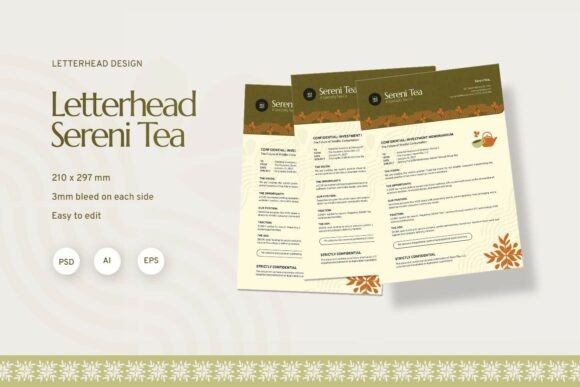
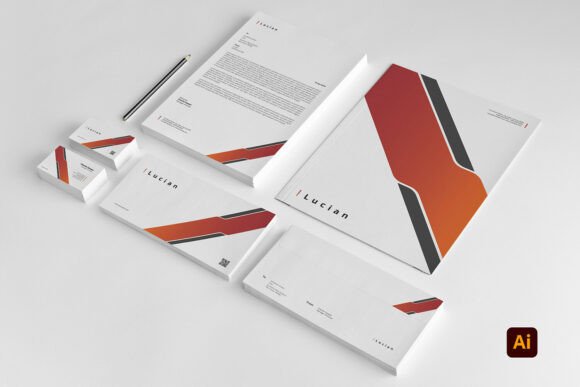
This trend reflects a broader change in how we perceive value. In a saturated market, differentiation is key. A Professional brand identity stationery template featuring cohesive layouts for business cards, letterheads, envelopes, and more allows organizations to stand out without the prohibitive cost of hiring a top-tier design firm for every single asset. These templates are ideal for corporate branding, agencies, and modern business presentations because they offer a shortcut to high-end aesthetics. They provide the structural integrity of professional design while leaving room for customization to reflect unique brand personalities.
Furthermore, the rise of remote work and hybrid business models has not diminished the need for physical branding; rather, it has highlighted its importance. When face-to-face meetings are less frequent, the materials you leave behind or send via post become critical ambassadors for your brand. They serve as physical reminders of your presence and professionalism in a digital-heavy landscape.
Technical Precision and Print-Ready Standards
One of the most significant hurdles for non-designers attempting to create their own stationery is understanding the technical requirements of professional printing. Designing for screens and designing for print are two vastly different disciplines. A common pitfall is ignoring bleed areas, color modes, or resolution standards, which can result in pixelated logos, cut-off text, or colors that look dull and inaccurate when printed. A high-quality template eliminates these risks by adhering to industry-standard specifications from the outset.
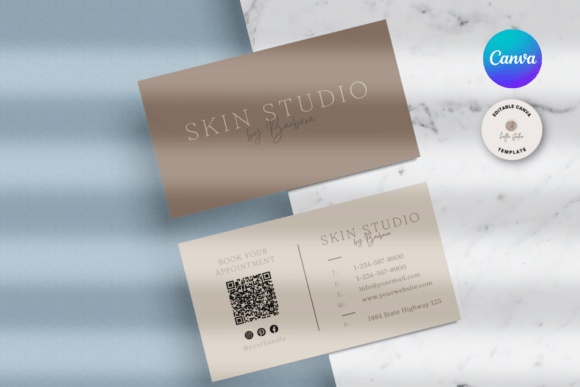
Consider the technical robustness required for a truly professional output. A superior template typically includes precise dimensions tailored to standard printing sizes. For instance, a standard business card is usually 3.5x2 inches, while a letterhead often conforms to A4 or Letter sizes, such as 8.27×11.69 inches. Specialized items like presentation folders (9x12 inches) and envelopes (8.267x4.33 inches) require specific layout considerations to ensure folds and flaps do not obscure critical information.
Beyond dimensions, color fidelity is paramount. Professional templates are set up in CMYK color mode, which is essential for offset and digital printing, ensuring that the vibrant blues and deep blacks you see on your monitor translate accurately to paper. Additionally, a 300 dpi resolution guarantees crisp lines and sharp text, avoiding the blurry edges that plague low-resolution designs. Perhaps most importantly, these files include a 0.25-inch bleed. This extra margin ensures that when the paper is trimmed to its final size, there are no unsightly white borders, giving the final product a sleek, edge-to-edge finish.
Workflow Efficiency and Customization
For busy professionals, time is a scarce resource. The ability to quickly adapt a high-quality design to specific needs without starting from scratch is a massive advantage. Modern templates are built with flexibility in mind, often compatible with widely used software like Adobe Illustrator CS2 and newer versions like Illustrator CC. The inclusion of multiple file formats—such as .AI, .EPS, and .PDF—ensures compatibility with various workflows, whether you are a seasoned graphic designer or a business owner working with a local print shop.
Customization is straightforward yet powerful. Most professional templates utilize standard fonts that are either embedded or easily replaceable. If a specific font is required, download links are typically included in a help file, or users can simply select the text with the text tool and replace it with their preferred typeface. This "what you see is what you get" approach empowers users to maintain control over their brand voice. You can swap out placeholder names, update contact details, and adjust taglines in minutes, allowing you to iterate on your branding as your business evolves.
This adaptability supports the dynamic nature of modern business. Startups may pivot their messaging; agencies may rebrand for specific campaigns; freelancers may expand their service offerings. Having a master template means you can generate new assets consistently without reinventing the wheel every time. It fosters a culture of brand discipline, where every new piece of collateral automatically aligns with the established visual language.
Practical Implications for Diverse Users
The utility of a comprehensive stationery kit extends across a wide spectrum of users. For corporate entities, it reinforces institutional authority and trustworthiness. Legal firms, financial advisors, and consultancies rely on the subtle cues of high-quality paper and precise typography to convey reliability. For creative agencies, the stationery itself is a portfolio piece; it demonstrates their design sensibility and attention to detail before they even present their actual work.
Entrepreneurs and small business owners benefit immensely from the cost-effectiveness of templates. Instead of commissioning custom designs for every item, which can run into thousands of dollars, a template provides a premium look for a fraction of the cost. This allows smaller players to compete visually with larger corporations. Similarly, educators and speakers who attend conferences find that handing out a professionally designed card and leaving a branded folder creates a lasting impression that aids in networking and future collaborations.
Even bloggers and content creators who are transitioning into product lines or consulting services find value in these tools. As their digital presence grows, the need for tangible brand artifacts increases. A cohesive set of stationery bridges the gap between their online persona and their real-world interactions, creating a more rounded and professional brand image.
Making the Right Choice for Your Brand
When selecting a template, it is crucial to look beyond just the aesthetic appeal. Consider the versatility of the layout. Does it offer enough white space for your content? Is the hierarchy clear, guiding the eye naturally from the logo to the contact information? Ensure that the package includes all necessary components: business cards for networking, letterheads for formal correspondence, envelopes for mailing, and folders for organizing documents. The absence of any of these can break the visual continuity you are trying to establish.
It is also wise to verify the support and documentation provided with the template. Good designers often include help files that explain how to modify layers, change colors, or export files correctly for print. If you encounter challenges or have specific requirements that fall outside the standard template capabilities, having access to the creator for questions or custom design requests can be invaluable. Many designers are happy to assist with minor tweaks or offer bespoke solutions to ensure the final product meets your exact needs.
In conclusion, investing in a professional brand identity stationery template is a strategic move for any serious business or creative professional. It aligns your visual presence with current market expectations, ensures technical perfection in print, and streamlines your workflow. By adopting a cohesive system for your business cards, letterheads, and other essentials, you project an image of competence and clarity. In a world where details matter, letting your stationery do the heavy lifting for your brand reputation is a decision you will not regret.
If you appreciate the value of high-quality design resources, consider supporting the artists and designers who create them. Leaving a review or recommending a well-crafted template helps sustain the ecosystem of creative tools available to us all. Whether you are refining an existing brand or launching a new venture, the right template is the first step toward a polished, professional future.